

ATTACHMENT AND GRIEF
(Jean Monbourquette, September 3, 2016)
This text explains the importance of attachment in the grieving process, as well as the seven stages of grief according to the Monbourquette approach…. To read the full article: click here.
Before discussing these stages of grief, it is important to clarify one point. Each person experiences grief in their own way. There is no ideal or specific way to resolve grief. However, grief specialists have identified certain moments in the grieving process that are common to all bereaved individuals, which can be referred to as “stages” in the broadest sense of the term. These stages serve as indicators for assessing the progress of normal grief or detecting delays and blockages in pathological grief.
My experience with bereaved individuals has led me to divide the grieving process into seven stages: shock, denial, emotional expression, coping with tasks related to grief, searching for meaning, mutual forgiveness, and finally, legacy. Here is a brief description of these stages.
1 . The shock
The shock often comes as soon as we hear the news of a serious illness or the death of a loved one. We feel devastated and unable to describe what is happening inside us. It is difficult to hear and comprehend what has happened. We cannot believe it: “This is a nightmare!”, “It can’t be!”, “Just yesterday, he seemed fine,” etc.
Shock is often accompanied by hallucinations. People imagine seeing the deceased, hearing them, or even sensing their presence. If the shock lasts a few weeks, there is no cause for excessive concern, but if it persists, the grief takes on pathological dimensions. Here is a case that illustrates my point: a wife mourning her husband revealed to a bereavement support group that every evening for the past two years, she and her husband had been going for a walk hand in hand.
For several weeks following the death, mourners feel numb and lethargic. This does not prevent them from appearing to be above their grief in front of visitors at the funeral home. They do not cry. They live, so to speak, on cloud nine. However, they lack concentration and their memory is frozen. They begin to feel extremely tired, which makes everyday tasks difficult to perform. They often regress to a state of dependence similar to that of childhood. It is not surprising that friends offer to help them cope by providing services such as preparing food and doing household chores for them.
The state of shock does not only have negative effects. In fact, it gives the bereaved time to digest the harsh reality and pull themselves together, drawing on the resources they need to cope with the loss of their loved one.
2. Denial
Shortly after the shock, the denial phase begins. Denial can be cognitive, emotional, or both. Cognitive denial pushes people to forget the unfortunate event and avoid anything that might remind them of their loss, such as references to the hospital, cemetery, funeral home, etc. Some mourners cover their walls with photos of the deceased for fear of forgetting them; others keep their room and personal belongings intact as if they were still alive. In psychological jargon, this behavior is called “mummification.”
Emotionally, denial causes the bereaved, especially men, to be unable to experience and express their emotions. They fight the rise of their emotions using various tactics: they keep themselves so busy that they become hyperactive; they start looking for someone or something to blame for the death; they idealize the deceased; they try to imitate the illness of their loved one; or they look for a substitute, often among members of their own family, to take the place of the deceased. Sometimes, the bereaved person will be tempted to drown their grief or freeze their pain in alcohol, medication, or drugs. Other times, they will indulge in fantasies of bringing the deceased back to life. All of these strategies will relieve their pain for a few moments until the harsh reality of death catches up with them and overwhelms them again.
3. The circle of emotions
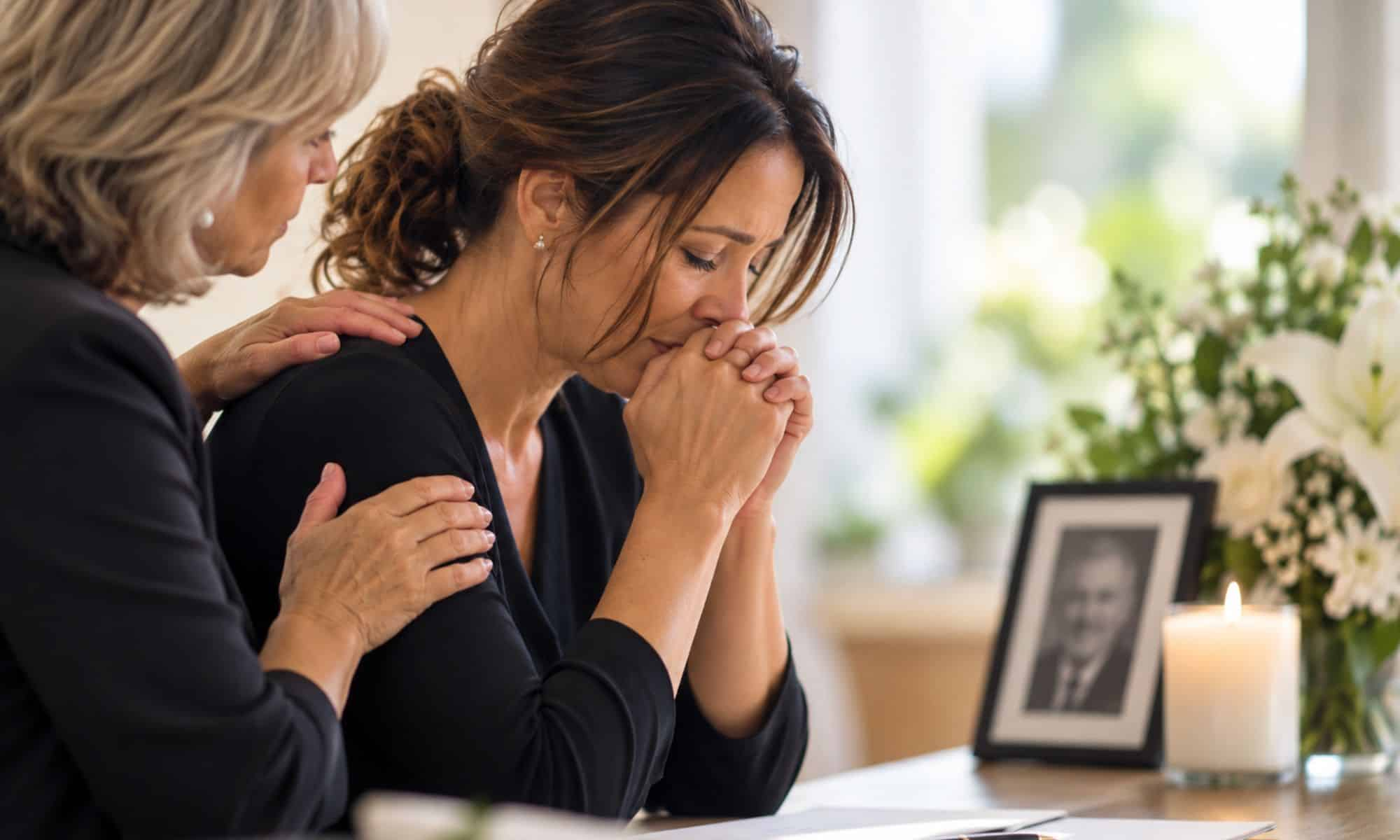
When resistance to grief begins to give way, the bereaved person feels overwhelmed by a flood of emotions and feelings, such as anxiety, sadness, feelings of abandonment, anger, guilt, and relief. These moods come and go, retreating and returning like the ebb and flow of waves, losing their intensity with each passing wave.
Anxiety
When the bereaved person hears the bad news, they feel overwhelmed by anxiety. The reality of the death of a loved one reminds them of their own approaching death. They feel helpless in the face of its imminence. They feel as though they have lost control of their life by losing their loved one. They become aware of their human limitations. They feel powerless to change the course of events. This distressing state will disappear if they accept their limitations and realize that they are unable to save their loved one.
Sadness
Sadness is the typical emotion associated with grief. It is the pain of a heart from which the object of its love has been torn away. The word “pain,” which is often used to describe sadness, very often connotes the feeling of being punished or suffering punishment. Sadness is normally expressed through tears.
It can sometimes become so intense that it plunges the bereaved into a state of desolation to the point of wishing to die in order to join their loved one in death.
Anger
The silent anger in grief often takes the form of a more or less conscious protest against the deceased, whom the bereaved blame for abandoning them. Few people dare to give free rein to their anger. One client said to me, “How can you be angry with someone who is dead?” Often, the anger will be directed at others. The angry bereaved person will try to find someone or some people to blame for this personal tragedy. They will lash out at caregivers or loved ones, blaming them for not providing the dying person with all the necessary care. For others, their anger will turn against themselves, and they will be overwhelmed by feelings of guilt.
Guilt
The guilt that afflicts the bereaved is not always undesirable, as any separation or bereavement gives rise to a healthy sense of guilt. For example, the separation from a beloved spouse often makes the other person more acutely aware of their lack of love. The bereaved person, feeling guilty, will ask themselves questions such as: “Did I talk to them enough? Did I tell them enough that I loved them? Did I do everything I could to save them from death?
There is undoubtedly something excessive in the reproaches they make to themselves. The way to alleviate the survivor’s crisis of guilt is to recognize their limitations in the face of death and their inability to love perfectly in every way.
The feeling of being free
Many mourners do not dare to feel this sense of liberation after the death of a loved one. They would feel guilty about letting their relatives and friends think that they wanted to get rid of someone who was a burden. Take, for example, someone who has been seriously ill and cared for day and night. Don’t the exhausted caregivers feel a sense of relief when the dying person passes away?
After all, maintaining close relationships is always difficult and demanding. Isn’t it normal and healthy for loved ones to feel a sense of liberation when someone they care deeply about dies a slow and painful death? Many people don’t understand how it’s possible to feel so many contradictory emotions at once—sadness and liberation, love and hate, fear and desire for intimacy, etc.
The big “braille”
The expression of emotions comes to an end at the moment of the “great cry,” which proves to be a turning point in the resolution of grief. At this stage, the bereaved person acquires a keen and full awareness of the definitive loss of their loved one.
They let go of any last hope of their return. They realize that their loved one is truly gone and that they will never see them again. Their sadness then turns into “lamentations.” I call “the great cry” the precise moment of awareness of loss. It can be recognized by the intensity of the pain that transforms crying into lamentations.
Then, following this explosive emotional release, the bereaved person experiences a deep peace, often accompanied by peak experiences in which they feel supported by spiritual beings or bathed in a flood of comforting light. It is then that they simultaneously become fully aware of the gravity of their loss and accept the irrevocable departure of their loved one.
The main difficulty therapists encounter when treating emotions is that many bereaved individuals do not have a wide repertoire of emotions and feelings with which to express themselves.
They have “distorted” emotions, meaning that they have surface emotions that hide their real emotions. Sometimes they show sadness when underneath they are harboring anger, or they show anger when deep down they are feeling sadness. Here are some examples of “distorted” emotions and feelings nervous laughter for anxiety; guilt for a feeling of liberation; complaints for anger; joy for regret, and so on. Those in mourning resort to this strategy because their parents forbade them from expressing certain feelings and emotions. Such a defense hinders the normal flow of emotions and feelings.
4. Taking care of tasks related to bereavement
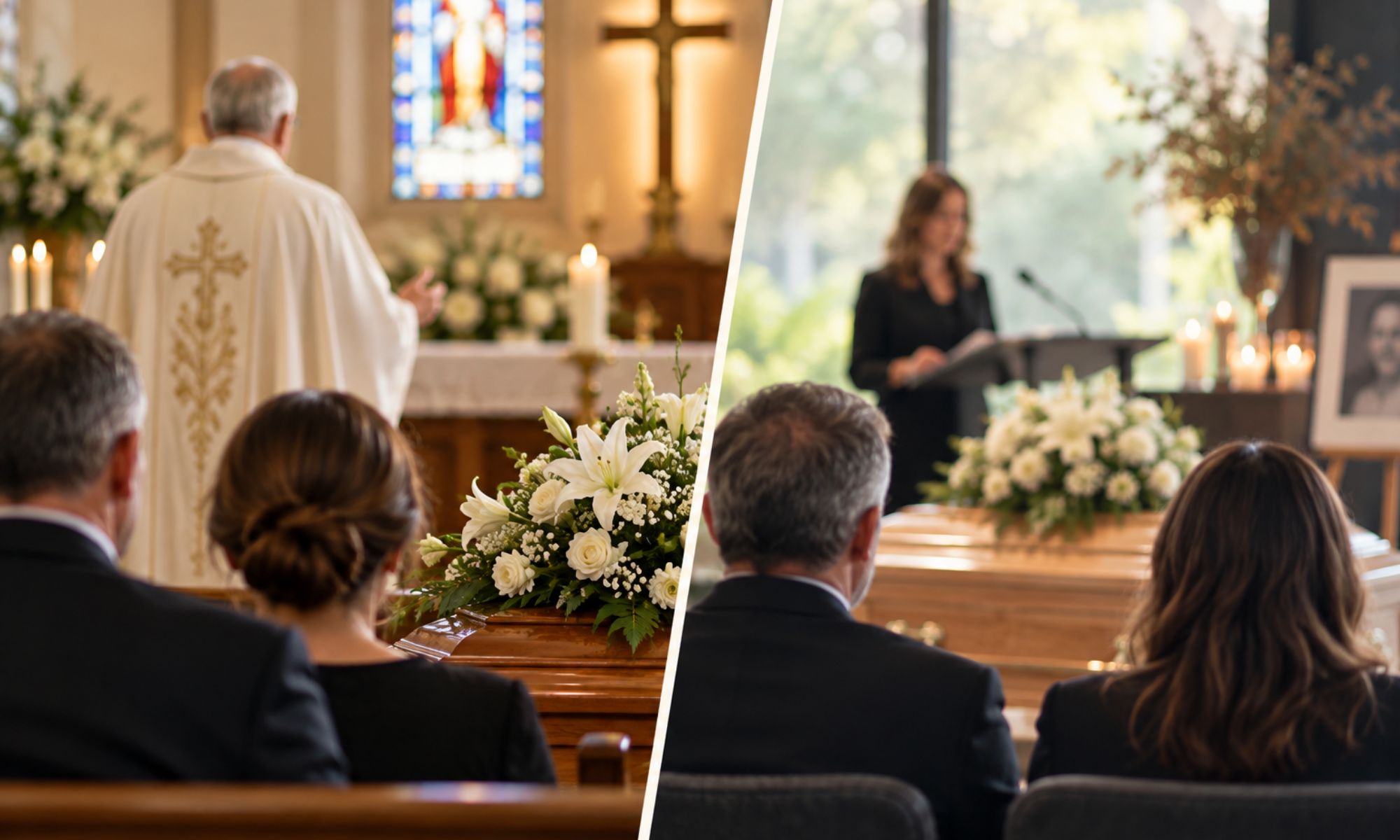
Once the emotional work of grieving has progressed well, there will still be practical tasks to complete as a result of the bereavement. What are they? They include fulfilling promises made to the deceased; performing the funeral rituals prescribed by custom; putting photos of the deceased in an album; disposing of their clothes and personal belongings; keeping one or two mementos in memory of the deceased, etc. These seemingly insignificant gestures will greatly help to speed up the grieving process. By doing them, the bereaved person will demonstrate to themselves and their loved ones that they are well on their way to accepting the death of their loved one.
5. Discovering the meaning of one’s loss
Expressing feelings and emotions and carrying out practical tasks related to grief allow the bereaved person to gradually distance themselves from the death. They are no longer completely absorbed in their emotions and will have begun to put their loss into perspective. The time will come for them to ask themselves what meaning their emotional loss might have and how they will continue their life in the future. Instead of remaining in a state of desolation, they will take the opportunity to get to know themselves better and draw on their personal resources. They will make greater use of their strengths in the absence of their loved one.
Finally, they will come to recognize that, as a result of their misfortune, they have matured and found new meaning in their life. Then, the time will have come to reflect on the spiritual meaning of their existence and their loss by asking themselves the following questions
What have I learned about my life in the absence of my loved one?
What meaning will my life have after the death of my loved one?
Is there life after death? We will then ask ourselves questions about the afterlife: either resurrection, reincarnation, or nothingness.
After my death, is there a heaven or a meeting place where I can see all my deceased relatives and loved ones again?
Why did such a good God take my son? Wouldn’t anger towards a sadistic god be appropriate?
Will the resurrection of the body take place immediately after death or only at the end of time? etc.
Many psychologists and grief therapists abandon this questioning of meaning, mistakenly believing that grief ends at the end of the emotional stage. The following case may convince them otherwise. I had a client, a woman who had lost her eight-month-old baby. She was inconsolable and cried pitifully. After having her recount the story of her baby’s death several times, in desperation, I asked her, “Did your baby’s death have, does it have, or will it have meaning for you?” She replied, “Are you trying to bring God into my distress? I’m not a believer.” “ I pointed out to her, ”You’re the one who started talking about God, not me.”
At our next session, she told me that she had thought about the silly question I had asked her at our last meeting. And here was her answer: “I have a close friend who passed away last year. Her great disappointment in life was that she never had children. She is surely in heaven, but alone. I would like to entrust my baby to her so she can take care of it. As for me, knowing how much she loved children, I would no longer worry about my child. Until now, I slept with her ashes next to my bed. I am ready to have them buried in the cemetery.” Her answer to my question about the meaning of her child’s death had comforted her to such an extent that she had stopped crying.
6. The exchange of apologies
From experience, I have seen the need to forgive in order to complete the grieving process. Those who have lost a loved one and who have managed to forgive the deceased for their faults and, above all, for their departure, will free themselves from the remnants of anger that the departure of their loved one has caused them.
On the other hand, by asking the deceased for forgiveness for their own weaknesses and lack of love, the bereaved will reduce the intensity of their feelings of guilt. The exchange of forgiveness with their loved one will bring them great peace. Through reconciliation, they will feel at peace with themselves and be ready to accept their legacy.
7. Taking possession of one’s inheritance
The spiritual legacy consists of reclaiming all the love and dreams that the loved one was the object of. In other words, the legacy consists of taking on what one admired and loved in the other at the moment of love-fusion. The bereaved person has the power to incorporate into their life the qualities and talents they appreciated in their dear departed, provided, of course, that they have agreed to let them go. In order to help the bereaved receive their spiritual inheritance, I have designed a ritual, which is described in my book Loving, Losing, and Growing.
With the help of this ritual, it becomes possible to evaluate all the lessons learned in the presence of the loved one and to allow oneself to actualize them for oneself. Thanks to this legacy, one will find oneself gratified and inhabited by a new form of presence of the dear departed.
8. Official declaration of the end of mourning
The inheritance ritual usually ends with an official declaration that the mourning period is over. In the past, there were distinctive signs to mark the beginning and end of mourning. In today’s society, it is no longer clear when mourning ends. There is a need for its end to be honored with social sanction. I have observed the immense relief felt by mourners when the leader of the mourning group or an important person tells them, “With the acceptance of your spiritual inheritance, consider your mourning to be well and truly over.”
This is my view of grief, how it unfolds, and how it is resolved. In closing, let me say that grief has nothing to do with a chronic illness, as some claim, but is a temporary rite of passage. It lasts only for a time, the time it takes to “mourn.”