
Choosing cremation for a loved one—or for oneself as part of prearranged funeral plans—often raises many questions. What actually happens between the time of death and the return of the ashes to the family? What legal procedures must be followed in Quebec? How long does the process take?
At Marie-Soleil Phaneuf Funeral Home, we believe that understanding each step helps you navigate this time with greater peace of mind. So here, in full transparency, is how a cremation takes place in Quebec, from the time of death until the ashes are returned to the family.
Translated with DeepL.com (free version)
What is cremation, and how is it regulated in Quebec?
Cremation is a process that reduces the deceased’s body to bone fragments using intense heat in a crematorium specially designed for this purpose. In Quebec, this practice is strictly regulated by the Act respecting funeral services, which governs the timeframes, required authorizations, and conditions under which cremation may be performed. This legal framework exists to protect the dignity of the deceased and ensure peace of mind for families.
The Steps in the Cremation Process
1. Death and the Care of the Deceased
As soon as a death occurs—whether in a hospital, a nursing home, or at home—the first step is to contact a funeral home. Our team will come to you to handle the deceased with respect, no matter the time of day or night, as we are available 24 hours a day, 7 days a week.
2. Transportation to our facilities
The deceased is transported with dignity to our funeral home, where they remain in our care until cremation. It is also at this stage that we begin initial discussions with the family regarding their wishes.
3. Required legal documents and authorizations
Before a cremation can take place, several documents must be obtained, including:
- The death certificate, signed by a physician or a medical examiner;
- Authorization to perform a cremation.
Written authorization from the person authorized to make decisions regarding the body—usually the spouse or closest relative—or the wishes already set forth in a prearranged funeral contract.
The law also stipulates a minimum waiting period before a cremation can take place, in order to allow sufficient time to verify all required documents.
4. Preparing the Deceased
Depending on the family’s wishes, the deceased may be prepared for a viewing or a ceremony prior to cremation. This preparation may include funeral grooming and, if desired, light makeup. Embalming is not required prior to cremation when there is no public viewing. However, certain legal requirements must be followed.
5. The ceremony or moment of reflection
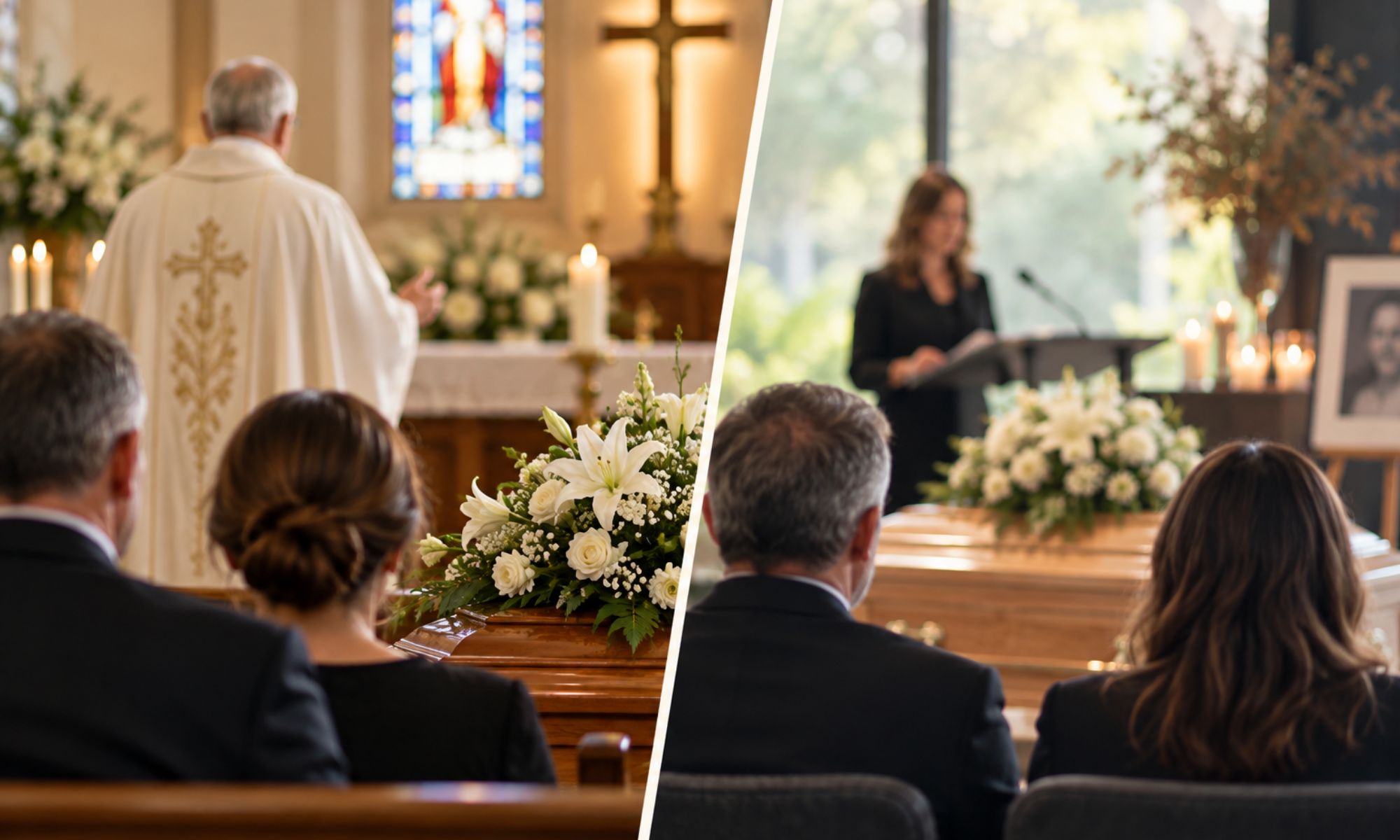
Many families choose to hold a ceremony, a viewing, or a moment of reflection before the cremation, so they can gather together and pay their final respects. Others prefer a memorial service after the cremation, with the urn present. There is no right or wrong way to do this: each family is supported according to its values and needs.
6. The Cremation Process
The body is placed in a coffin or an approved container and then transported to the crematorium. The process takes place in a cremation furnace at a very high temperature for approximately two to three hours. Only one deceased person is cremated at a time, and rigorous identification procedures are followed at every stage to ensure that the ashes returned to the family are indeed those of their loved one.
7. Returning the ashes to the family
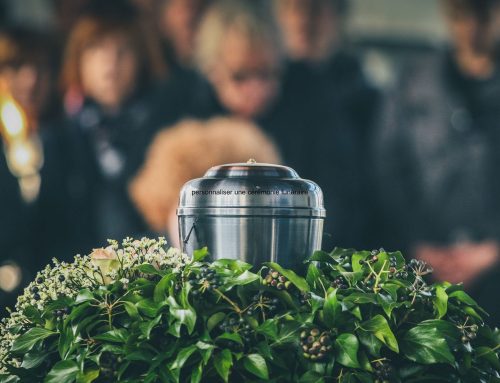
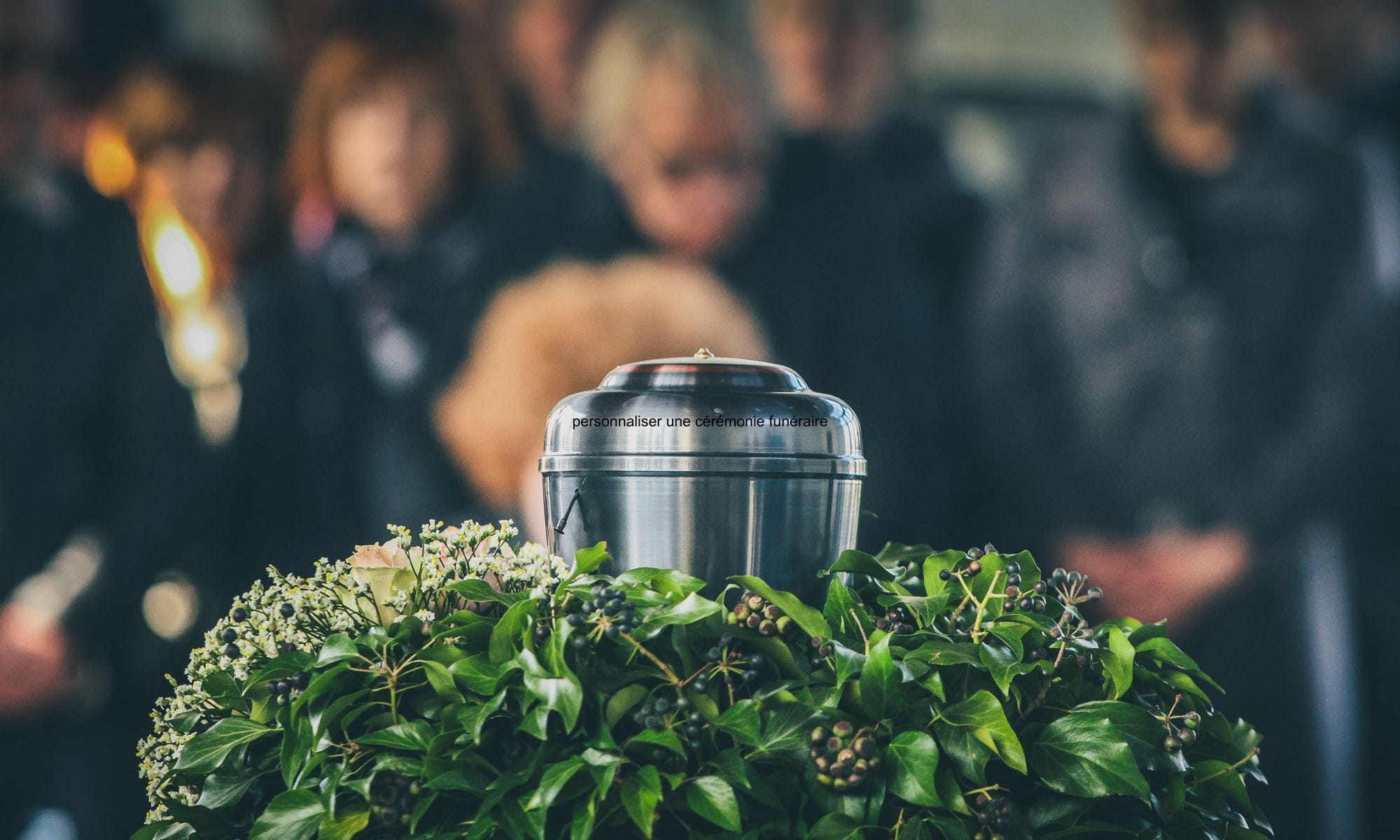
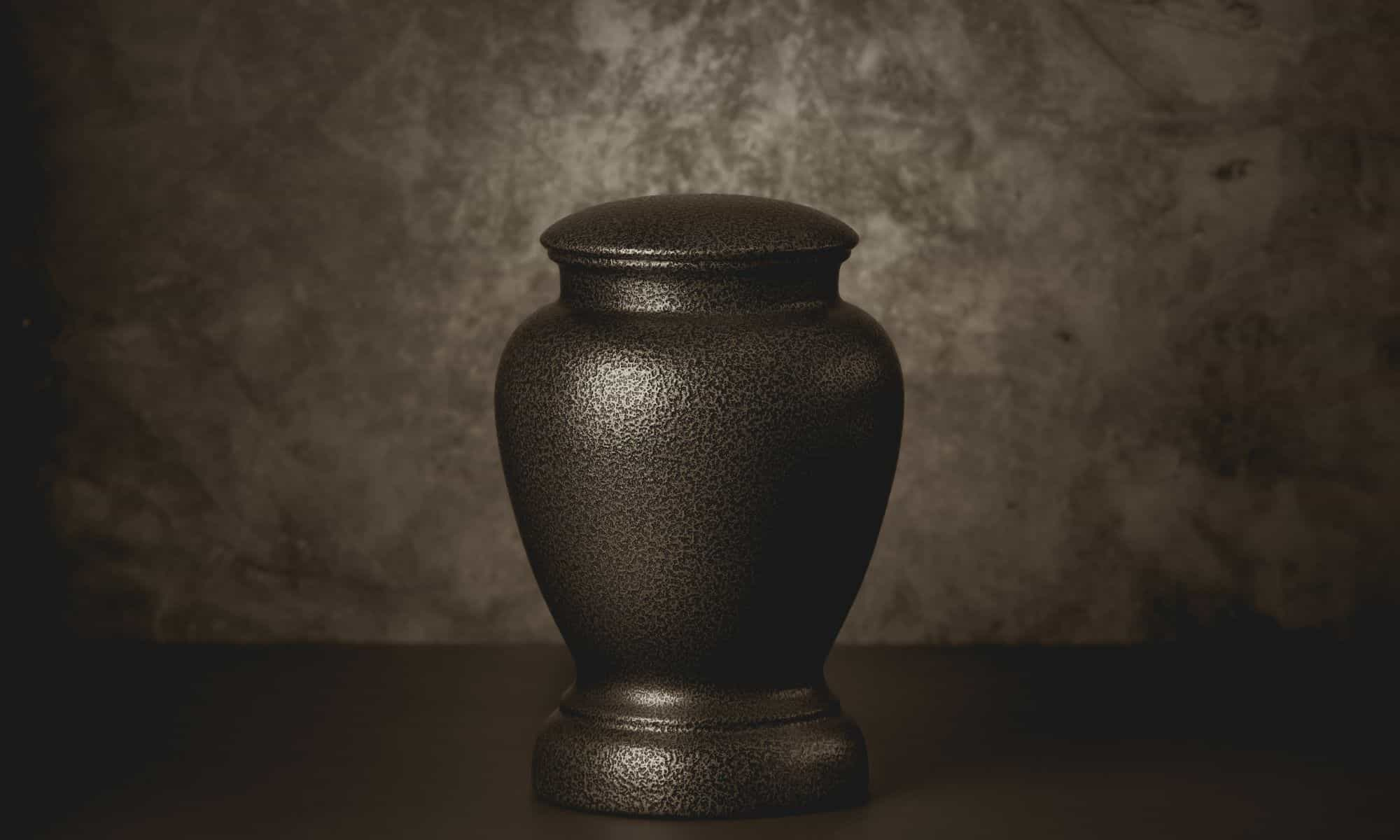
Once the process is complete, the bone fragments are reduced to fine ashes using a machine called a cremulator, and then placed in an urn. The ashes are then returned to the family, usually within a few days of the cremation.
What should be done with the ashes after cremation?
Once the ashes have been returned, the family has several options:
- Keeping the urn at home or in a columbarium;
- The interment of the urn in an existing or new family plot;
- The scattering of ashes at a meaningful location, in accordance with applicable regulations;
- The division of ashes among several family members, using urns or memorial items.s ou d’objets commémoratifs.
Our advisors can guide you through this decision, which should be made without rushing and based on what makes the most sense for you and your loved ones.
Cremation or Burial: how to choose?
Cremation and burial are two equally dignified and respectful ways to honor a loved one. The choice depends on the deceased’s wishes, family beliefs, financial and environmental considerations, or simply personal preference. Do you have questions about the options available to you and your family? Our team is here to support you and guide you toward the solution that best suits your needs.
Call us today at 450-427-2332—we’re ready to answer all your questions, with no obligation.
Coping with Grief After a Cremation
Whether the ashes are kept, scattered, or buried, the grieving process that follows requires time, support, and self-compassion. At Marie-Soleil Phaneuf Funeral Home, our support doesn’t end with the cremation: we also provide a list of resources for coping with grief to help you through the weeks and months ahead.
If you feel as though your sense of stability has been shaken since the loss of a loved one, our article “Navigating Grief: When Your Sense of Stability Fades” offers practical tips for moving forward, one step at a time.
We’re here to support you
Understanding the cremation process can help ease the uncertainty surrounding this decision, whether it’s for yourself or a loved one. Our team is available 24 hours a day, 7 days a week to answer your questions and guide you with respect and simplicity every step of the way.
To discuss your options, contact us at 450-427-2332 or visit our Contact Us