

The death of a family member by suicide is a deeply traumatic experience. In addition to the grief associated with the loss, families and friends often have to cope with a complex mix of emotions: shock, guilt, confusion, anger, and sometimes even isolation. In this particularly difficult situation, the funeral plays a vital role in the grieving process.
Much more than a simple ceremony, personalized funeral services provide a space where loved ones can gather, honor the memory of the deceased, and begin the journey toward healing.
Why is the grieving process after a suicide different?
When someone dies suddenly or tragically, loved ones are often left with many unanswered questions. After a suicide, these questions can become overwhelming:
- Why did this happen?
- Could I have done something?
- Did I notice the signs?
These thoughts can slow down the grieving process and make it harder to accept the loss. Survivors may also feel socially stigmatized or have difficulty speaking openly about their pain.
This is why it is particularly important to have access to adequate support, including resources for coping with grief and spaces where one can freely express emotions.
The funeral: a first step toward acceptance
Funeral rituals have existed for centuries because they fulfill a fundamental human need: to make sense of loss.
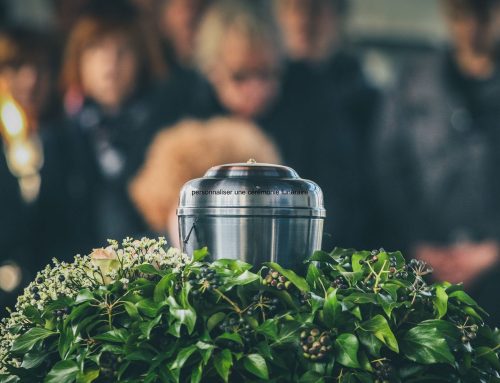
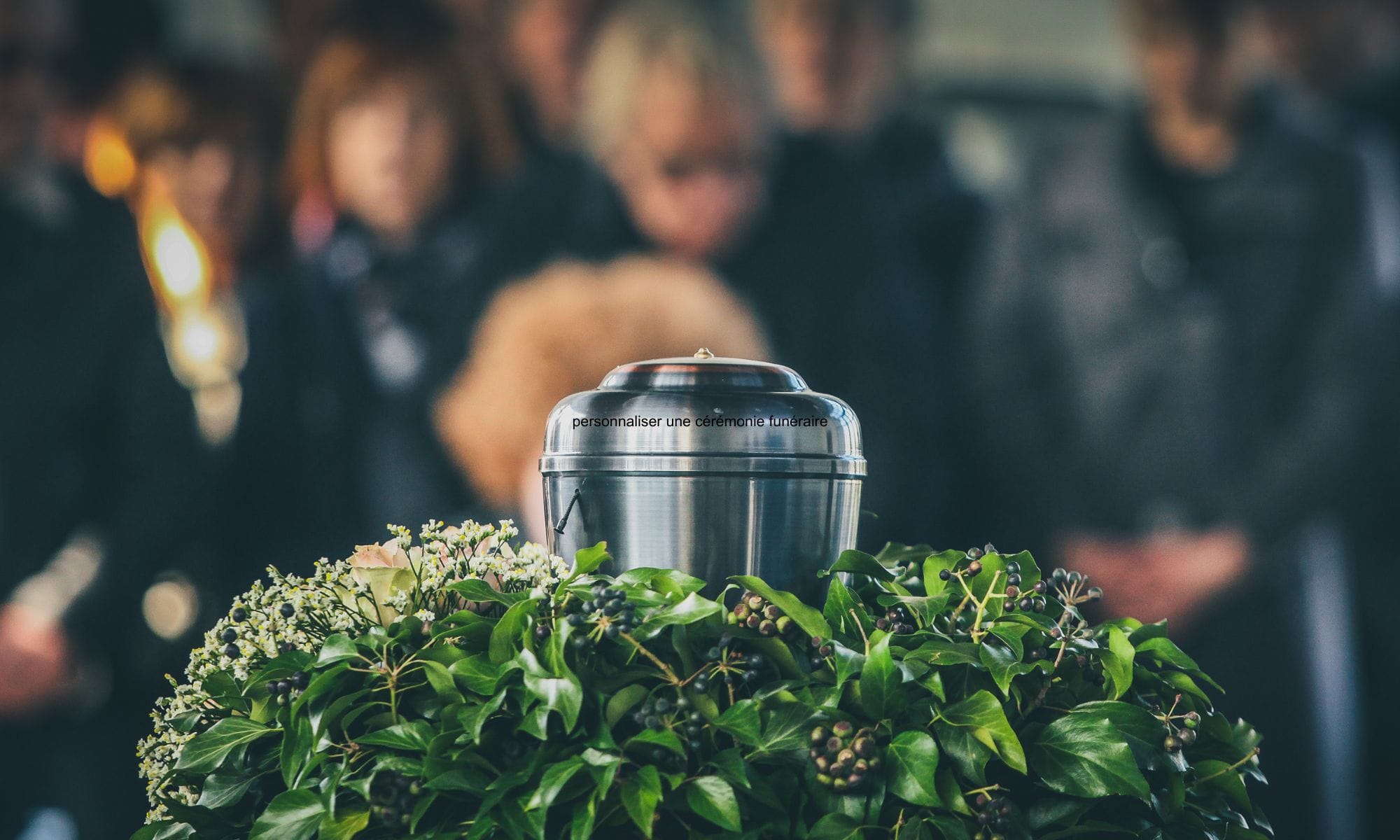
Memorial services allow families to come together in an atmosphere of respect and compassion.
Following a suicide, funerals can help, in particular, to:
Acknowledging the Reality of Death
The shock can sometimes make the situation feel unreal. Participating in a ceremony helps loved ones come to terms with the reality of the loss and begin the process of acceptance.
Breaking the Isolation
Suicide can create a sense of loneliness among survivors. A funeral brings family, friends, and the community together in one place, reminding loved ones that they are not alone in their grief. This sense of togetherness is at the heart of supporting bereaved families.
Expressing emotions
Ceremonies provide a safe space where everyone can share their memories, tears, and emotions. This expression is essential to prevent pain from remaining buried.
Honoring the Deceased
Suicide does not define an entire life. Funerals provide an opportunity to highlight the person’s qualities, achievements, passions, and the positive impact they had on those around them through a personalized tribute that reflects their story and values.
The Importance of Personalized Rituals
Every story is unique, just as every grieving process is. Today, more and more families are choosing celebrations of life that truly reflect the personality of the deceased.
These may include:
- meaningful readings;
- testimonials from loved ones;
- a special musical selection;
- memorable photos and mementos;
- a video tribute;
- symbolic gestures that encourage reflection.
These elements help create an authentic and comforting moment that helps families preserve positive memories through a personalized ceremony tailored to their needs.
Supporting children and adolescents
Young people also experience a complex grieving process following a suicide. They may feel confused or have difficulty understanding what has happened.
The funeral provides an important opportunity to:
- answer their questions honestly and sensitively;
- allow them to say goodbye;
- include them in the rituals in a way appropriate to their age;
- validate their emotions.
When properly supported, children and adolescents can find in the ceremony an essential anchor to help them navigate their grief.
Support after the funeral
Although a funeral is an important milestone, the grieving process does not end with the ceremony. The weeks and months that follow can be particularly difficult, which is why support services are so important during this time of grief.
It is often helpful to:
- join support groups;
- consult a mental health professional;
- stay in touch with loved ones;
- take the time needed to process your emotions.
Everyone moves forward at their own pace. There is no set timeline for healing from such a profound loss.
Finding a space to remember and move forward
Funerals play a fundamental role in the grieving process following a suicide. They provide an opportunity for people to come together, acknowledge the loss, and offer one another support. They also allow the deceased’s life to be honored with dignity and respect.
Although the pain does not disappear instantly, these rituals often mark the first step toward acceptance, healing, and hope.
By creating a space where memories can be shared and emotions can be expressed without judgment, funerals become a valuable step on the path to healing. They can also encourage families to consider pre-arranged funeral plans to ease the burden on their loved ones.
Are you coping with the loss of a loved one?
The team at Résidence Marie-Soleil Phaneuf is here to support you with compassion and respect every step of the way through the funeral process.
Please feel free to contact us for support, advice, or information about our services for bereaved families by phone at +1 450-427-2332.
Address: 22 Picard Street, Sainte-Martine, QC
Available 24/7, always.