
“Being a thanatologist is much more than just a job; it’s a vocation imbued with humanity and light. People often imagine me as an ‘undertaker,’ but the reality is quite different. My role goes far beyond that: I support families, I listen, I guide, and I ensure that those who leave us are honored with respect and kindness.
In this interview, I invite you to discover my world and see this profession in a different light.” – Marie-Soleil Phaneuf
Read the full article: Repères – Thanatologist, a little-known profession🔗
How did you choose your profession?
For as long as I can remember, I have always been intrigued by everything related to death. Even as a young girl, I loved watching investigative television series filled with crime scenes. My interest in this unusual world caused my mother some concern, to the point that she consulted specialists to make sure my interest was “normal.” Ironically, it was she who, years later, told me about the profession of thanatologist. At the time, I had never heard of this profession. To find out more, I contacted Rosemont College. Following this contact, I did a one-day internship that was very revealing for me. It confirmed that this profession was perfect for me. It would allow me to combine my interest in everything related to death with my desire to help people. From then on, I was convinced that this was the path I wanted to follow.
What is your educational background?
I studied thanatology at college, which allows students to specialize as an embalmer, funeral director, or both. The final year of study includes two internships during which students can refine their area of expertise based on their interests and personality. In my case, I need to perform both functions to feel fulfilled. I couldn’t be satisfied working only as an embalmer in a laboratory or exclusively as a funeral director.
What are your tasks on a typical day?
Since I work in a small company, my days are very varied. When someone passes away, my day often begins with a meeting of about two hours with the bereaved family, which gives me the opportunity to gather valuable information and discuss funeral arrangements. I then organize a meeting with the person responsible to fill out the required government documents and plan the funeral. Then I take care of the logistics: transporting the deceased, managing various documents, and coordinating the funeral (producing obituaries, contacting churches and cemeteries, preparing memorial items, etc.). As a funeral director, I also accompany families on the day of the ceremony. On average, I spend ten hours organizing and supporting each bereaved family, which requires a great deal of flexibility and availability. I must be available at any time of the day or night to quickly begin the process of taking care of the deceased.
What do you like the least or find most difficult?
The most difficult cases for me are those where people die in particularly distressing circumstances: violent deaths, extreme loneliness, bodies found after several days… These are realities of the job that you can never really get used to. Even though I have good self-control and do my best to maintain a certain emotional distance, these situations still upset me.
Does your job require any special physical or psychological abilities?
You need to be in good physical condition to do this job, if only to be able to lift loads heavier than yourself. Don’t forget that you will be handling bodies that can weigh more than twice your own weight, especially when working alone in the laboratory. It is therefore important to adopt safe techniques to avoid injury. Psychologically, you have to be able to show empathy without becoming overly sympathetic, as this could affect you personally. You have to know how to set boundaries and maintain a certain emotional distance so you don’t burn out. It’s important to maintain a good balance and self-control.
Have you noticed any changes in the profession and new trends?
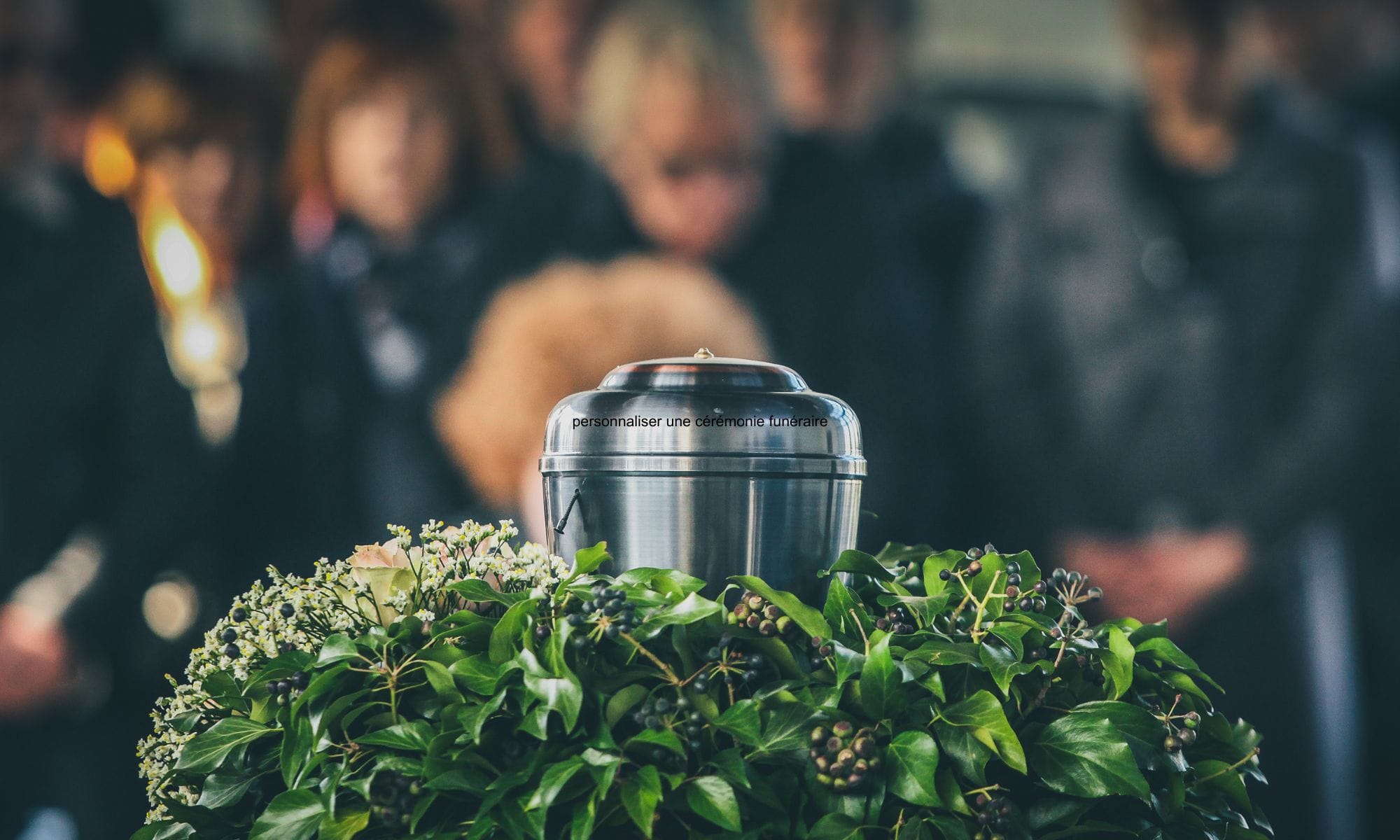
The profession is evolving, particularly in terms of a much more human and less rigid approach than in the past. The image we have of people who work as thanatologists is becoming more flexible. In the past, thanatologists were seen as “undertakers,” cold and austere people dressed in black. Today, we emphasize supporting and comforting families. In addition, there is a rise in prearranged funeral services, particularly with regard to the diversification of funeral options such as aquamation and the personalization of ceremonies.
What are your working conditions?
It is important to know that working hours are often irregular. You have to be available day and night, on weekends and even on holidays, especially when working in a small business. In large companies, schedules may be more stable, but they are still demanding. In terms of salary, don’t expect this to be a highly lucrative profession. Some companies offer benefits such as insurance, but this is not always the case.
Do you have any advice for someone who would like to pursue this career?
First and foremost, to do this job, you have to be truly passionate about it. You can’t do it simply for financial gain or by default, because it requires immense patience and real commitment. The gratitude of families is very rewarding, but you have to be prepared to deal with the emotional and physical demands of the job. If I ever lost that passion, I know I would have to stop, because it is essential to be fully committed to doing this job professionally.



Leave A Comment